Monument and memorialCenter of Asia Obelisk
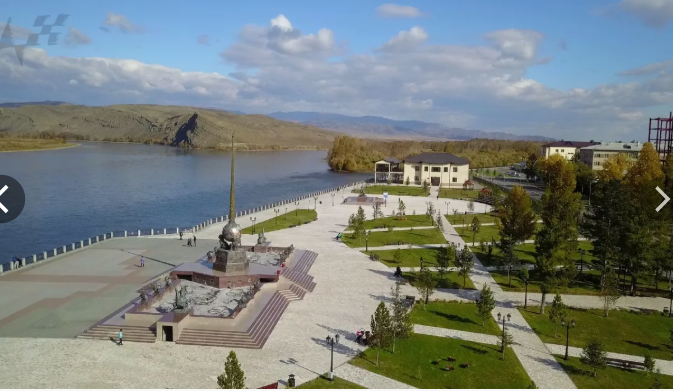
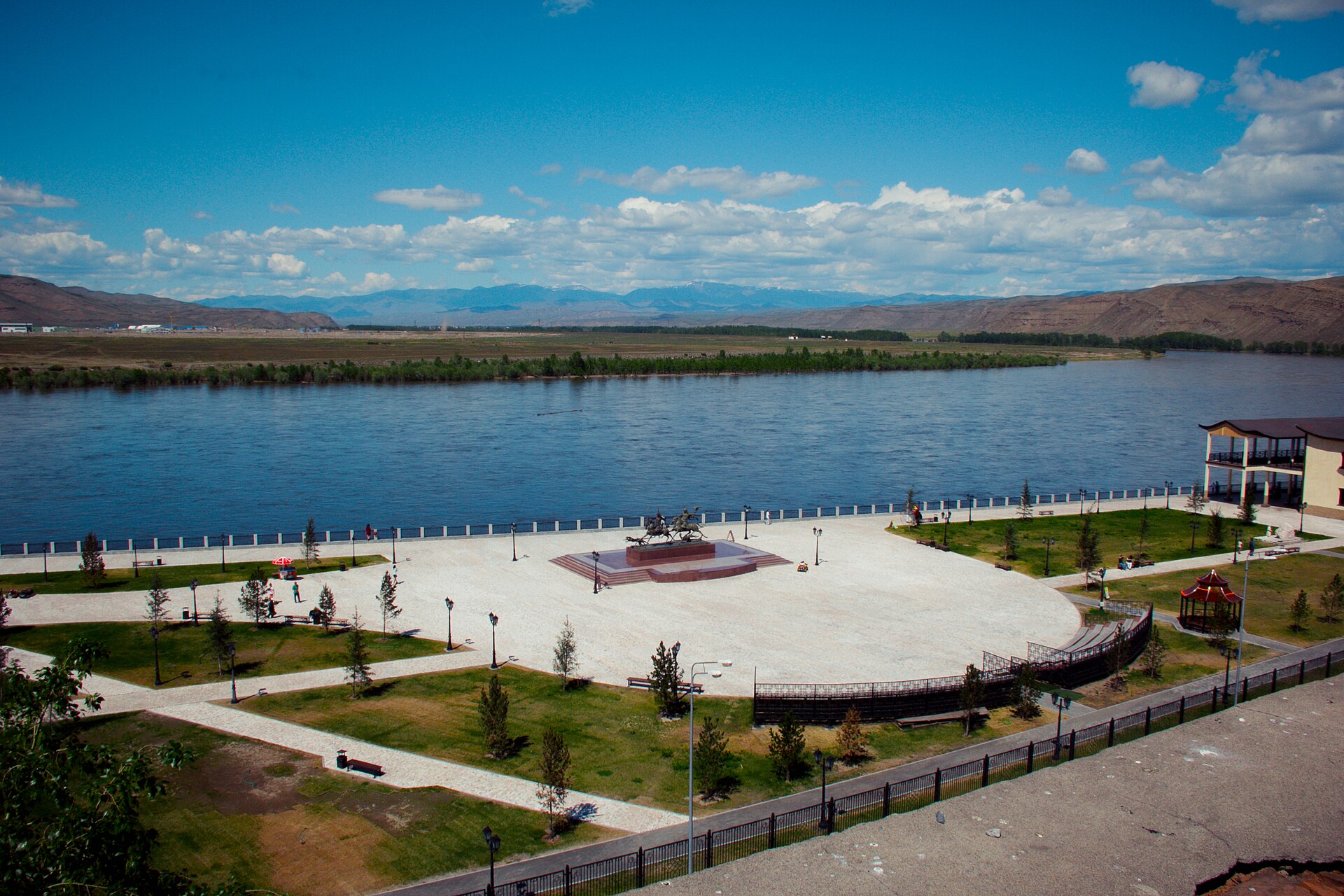
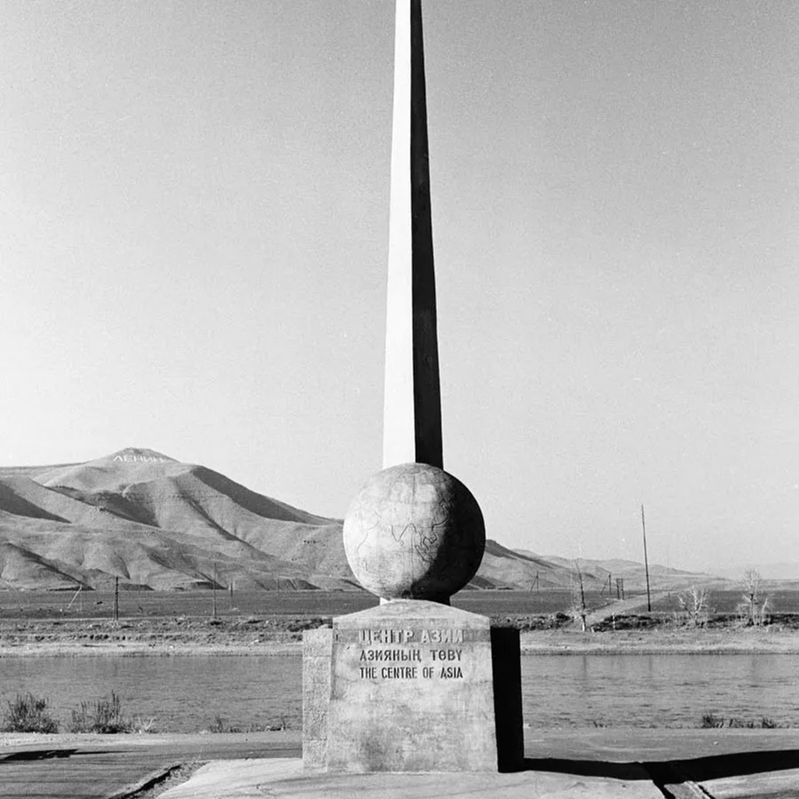
Kyzyl’s best-known landmark marks the symbolic geographic center of Asia. The current ensemble was renewed in 2014 with columns, guardian animals and Dashi Namdakov’s sculpture.
A web guide to the cultural memory of the Republic of Tyva: 30 Kyzyl objects from the Living Heritage project database — photos, short stories, audio texts and QR links without installing an app.
Kyzyl · Republic of TyvaA code is placed near the object, on a route, in a museum or on a city plaque.
No app installation is required.
The page gives context, photos, facts, a map and sources.
Start with a few landmark points. The full Kyzyl route is available, but it should not overload the first screen.
Monument and memorialKyzyl’s best-known landmark marks the symbolic geographic center of Asia. The current ensemble was renewed in 2014 with columns, guardian animals and Dashi Namdakov’s sculpture.
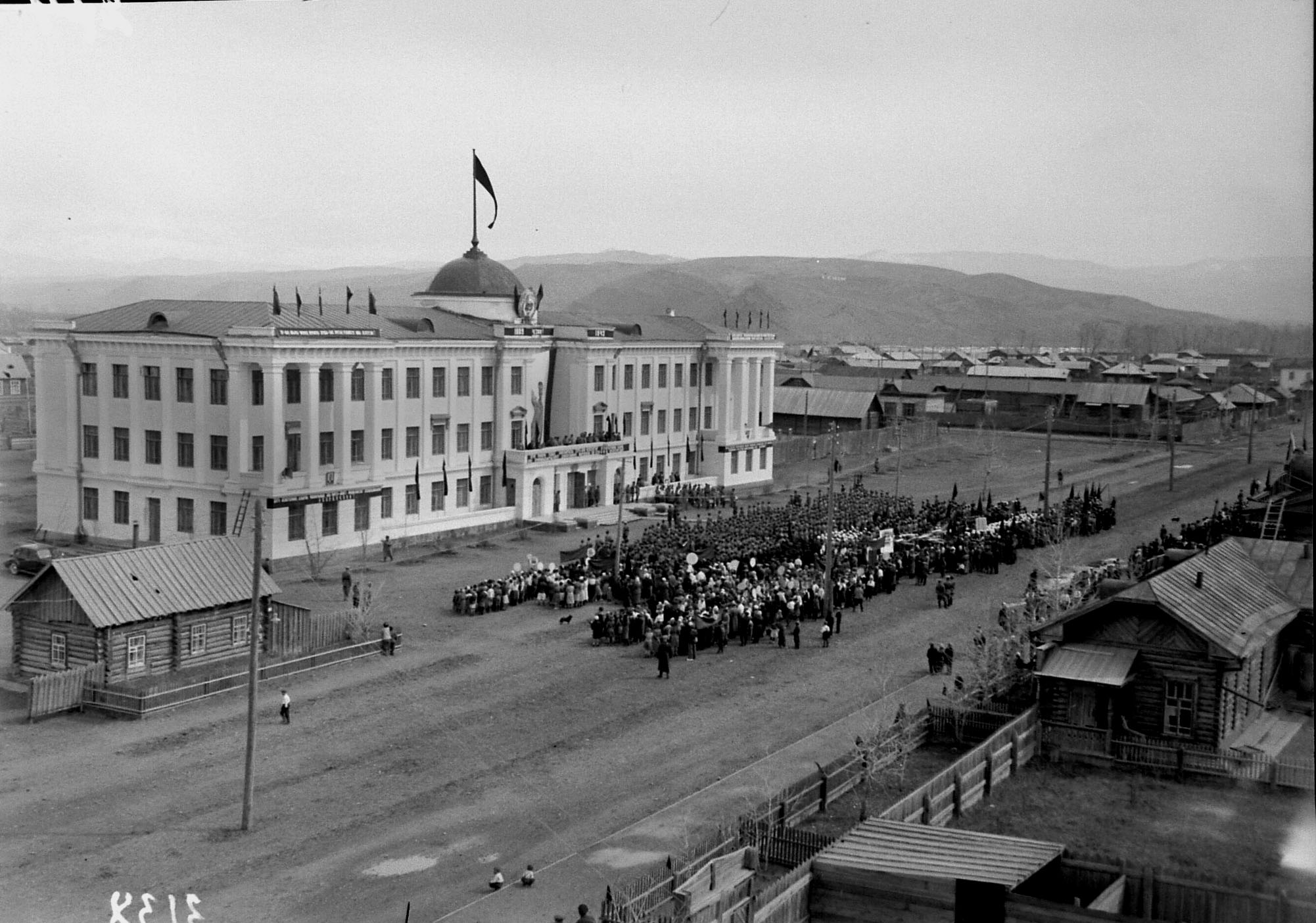
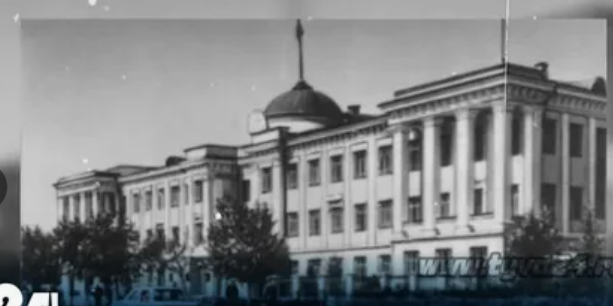
Historic buildingA historic parliament building of Tyva, recognizable by its large dome and republican coat of arms. Its foundation was laid in 1939.
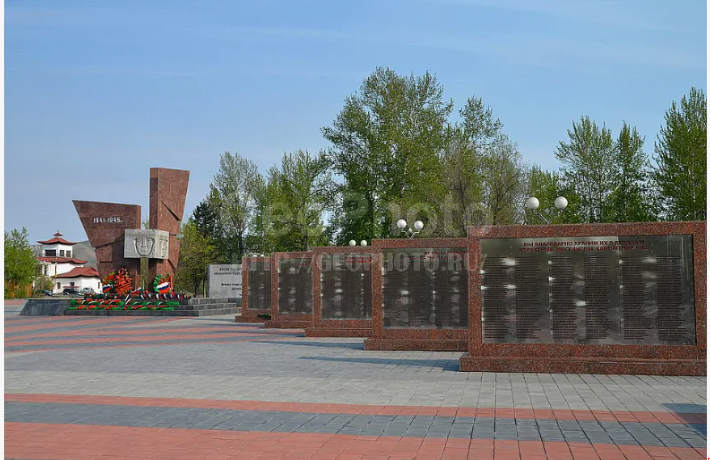
Monument and memorialA memorial to the Great Patriotic War, opened in 1975 near the National Park entrance, with a T-34 tank and granite steles naming fallen Tuvans.
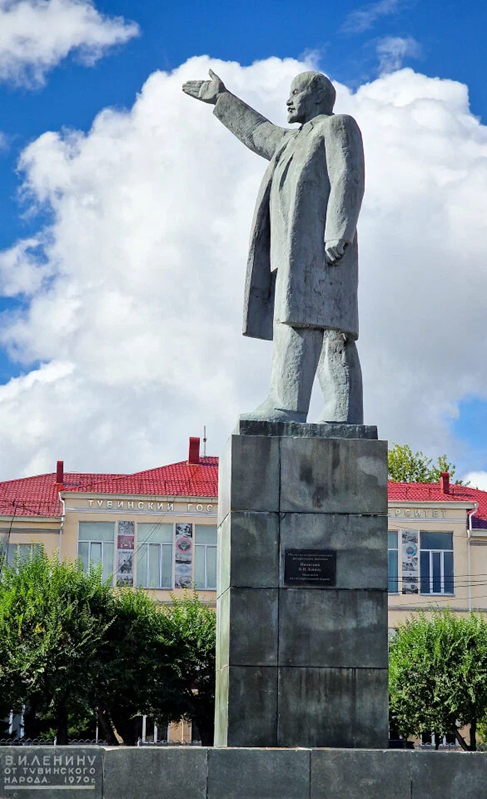
Monument and memorialA monument to V. I. Lenin on Arat Square, listed as a cultural heritage object of regional importance.
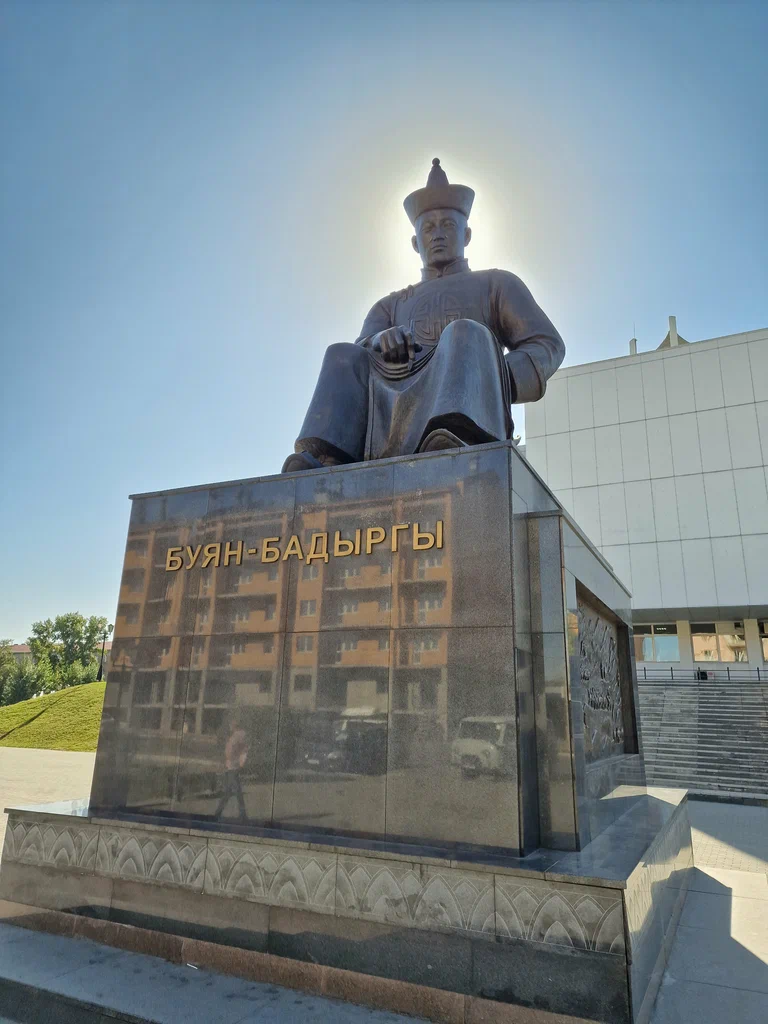
Monument and memorialA monument to Mongush Buyan-Badyrgy, the first head of the Tuvan government and a victim of 1930s repression, installed near the National Museum in 2014.
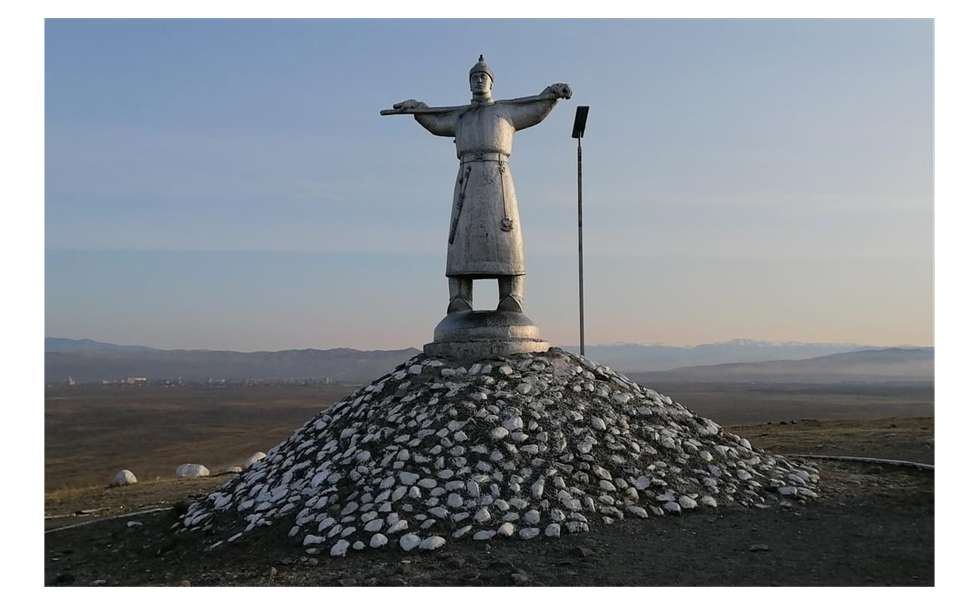
Monument and memorialA roadside monument to a Tuvan herder near the Kyzyl–Erzin road and the airport. White stones around it symbolize a flock of sheep.
Historic buildingOne of Kyzyl’s first stone buildings, built in the late 1920s in a constructivist style with national decorative elements; today it houses the Aldan-Maadyr National Museum.
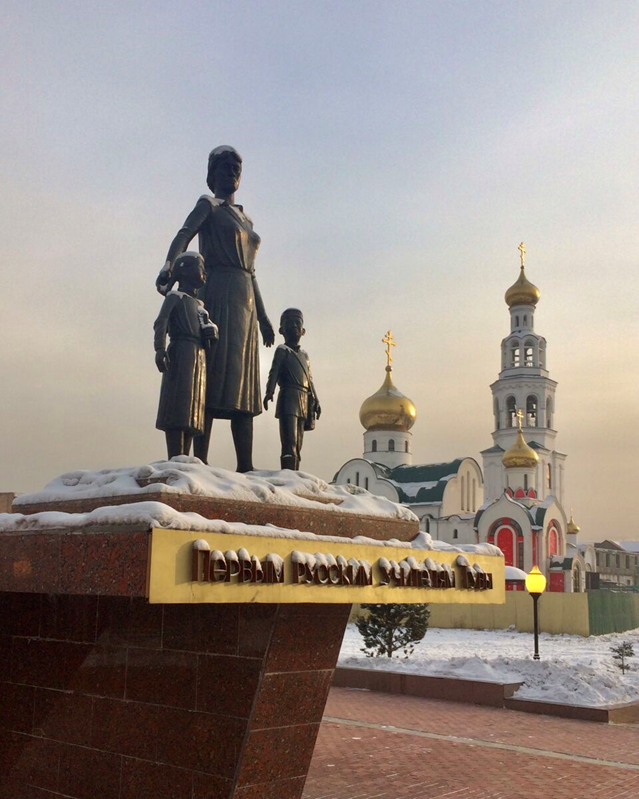
Monument and memorialA bronze monument opened in 2010 and dedicated to the first Russian teachers who helped establish modern education in Tuva.
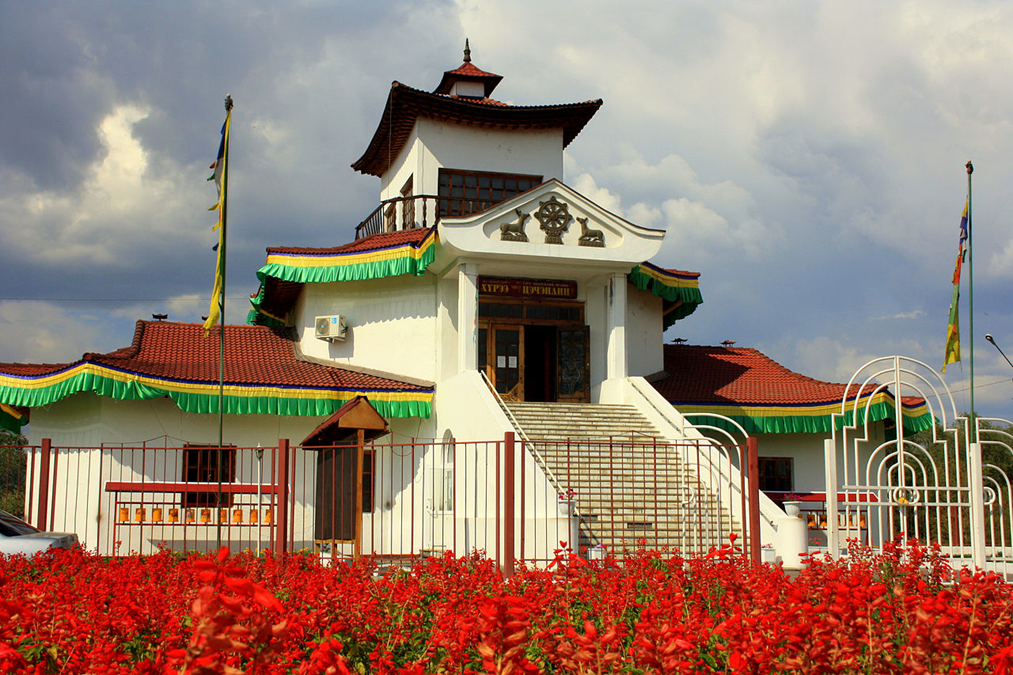
Spiritual heritageKyzyl’s major Buddhist temple, opened in 1999, combining Tibetan architectural tradition with modern construction and serving as an active religious and cultural center.
Spiritual heritageA shamanic ritual complex opened in the 1990s, with buildings styled after traditional dwellings and dedicated to Tuvan spiritual traditions.
Monument and memorialA 2008 monument honoring volunteers from the Tuvan People’s Republic who joined the Red Army during the Great Patriotic War.
Museum and cultureTyva’s oldest museum, founded in 1929 and named after the epic of sixty heroes; it preserves more than 140,000 exhibits.
Historic buildingA theater opened in 1969 and closely tied to Tuvan folklore, including khöömei throat singing recognized by UNESCO.
Museum and cultureA branch of the National Museum in a former 1930s NKVD special commandant’s office, dedicated to the memory of political repression.
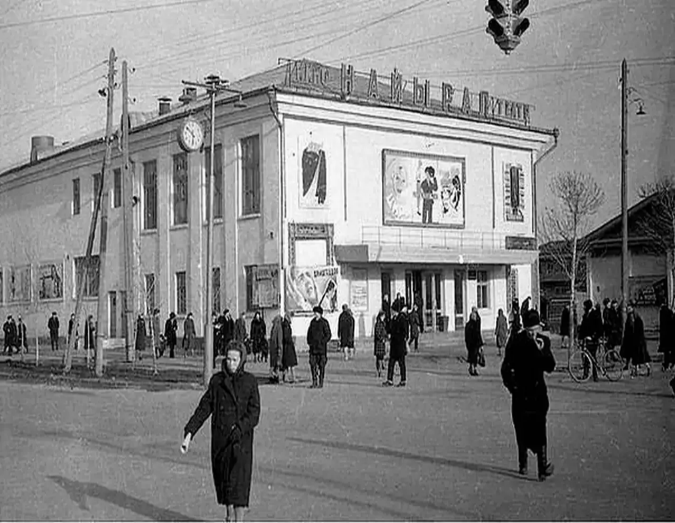
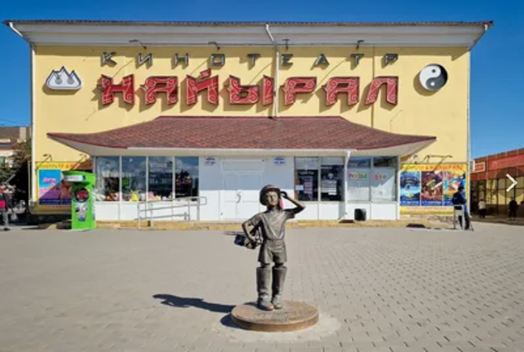
Historic buildingA widescreen cinema built in 1961 and named Nayyral by the city executive committee.
Urban spaceA renovated Yenisei riverside promenade, popular with residents and visitors and marked by Buddhist and shamanic symbols.
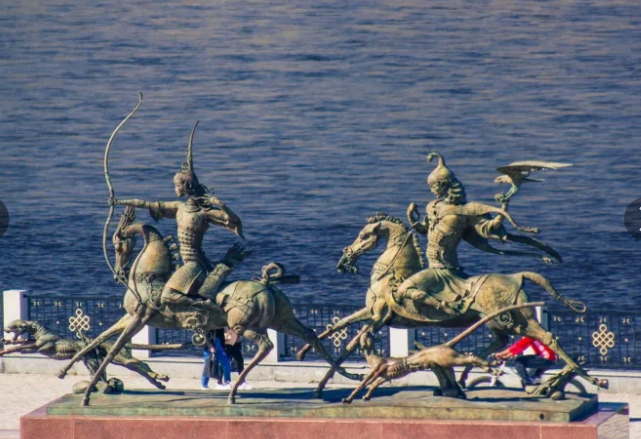
Monument and memorialA sculpture by Dashi Namdakov showing the traditional falcon hunt of Tuvan princes with golden eagles, installed in central Kyzyl in 2013.
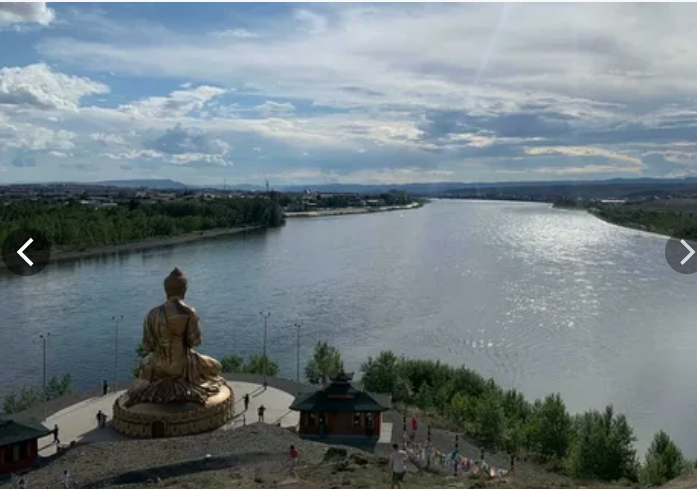
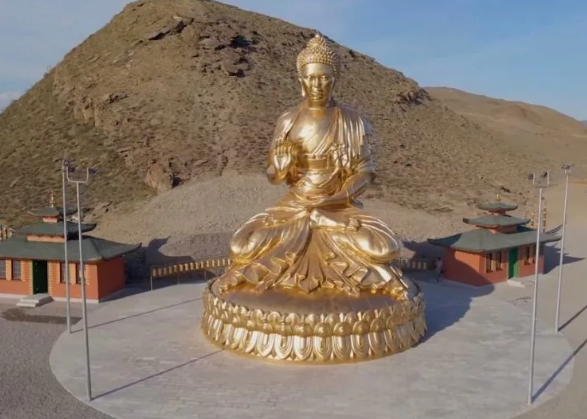
Spiritual heritageThe largest golden Buddha statue in Russia, installed in 2022 on Mount Beldir near the confluence of the Greater and Lesser Yenisei.
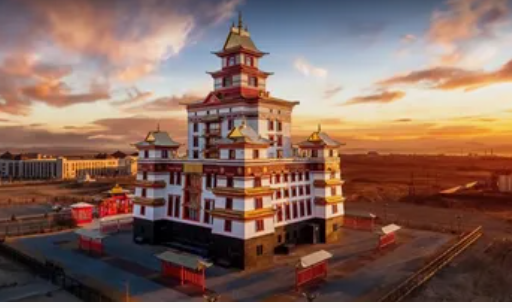
Spiritual heritageRussia’s largest Buddhist temple, solemnly opened in Kyzyl in April 2023; the building reaches 56 meters in height.
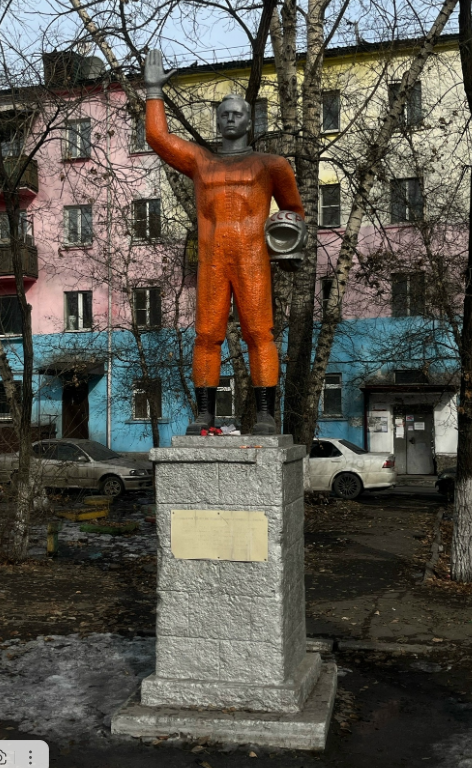
Monument and memorialA neighborhood monument showing a cosmonaut in an orange spacesuit on a white pedestal.
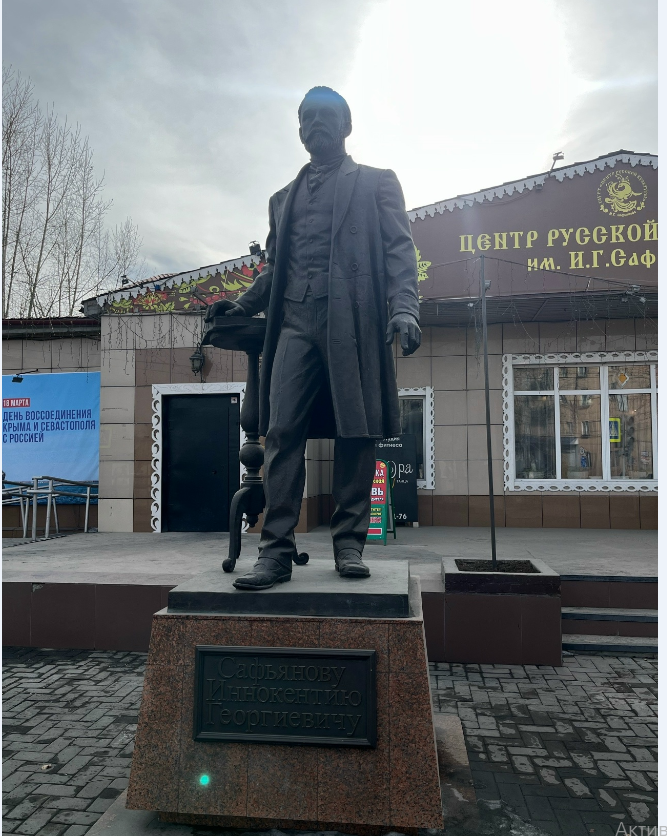
Monument and memorialA full-length bronze figure of merchant I. G. Safyanov in early twentieth-century formal dress, placed near the Russian Culture Center named after him.
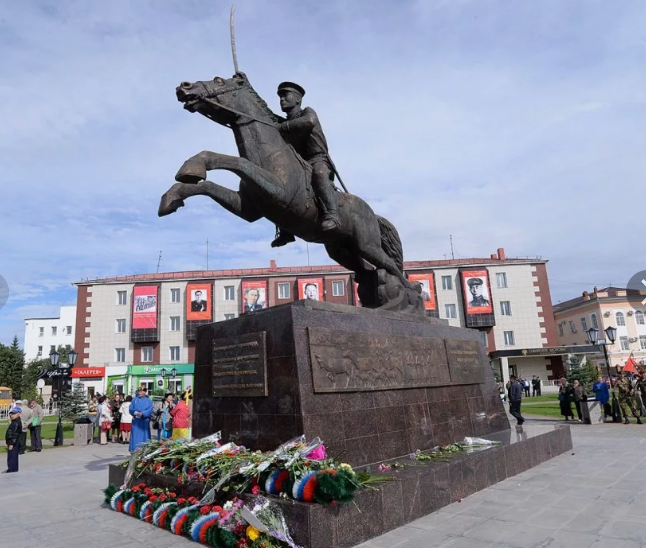
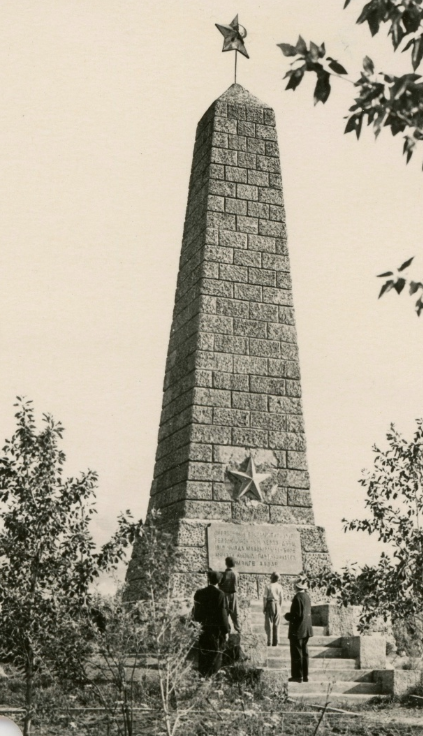
Monument and memorialA stone pyramidal obelisk crowned with a star and decorated with a bas-relief of a rider carrying a red banner.
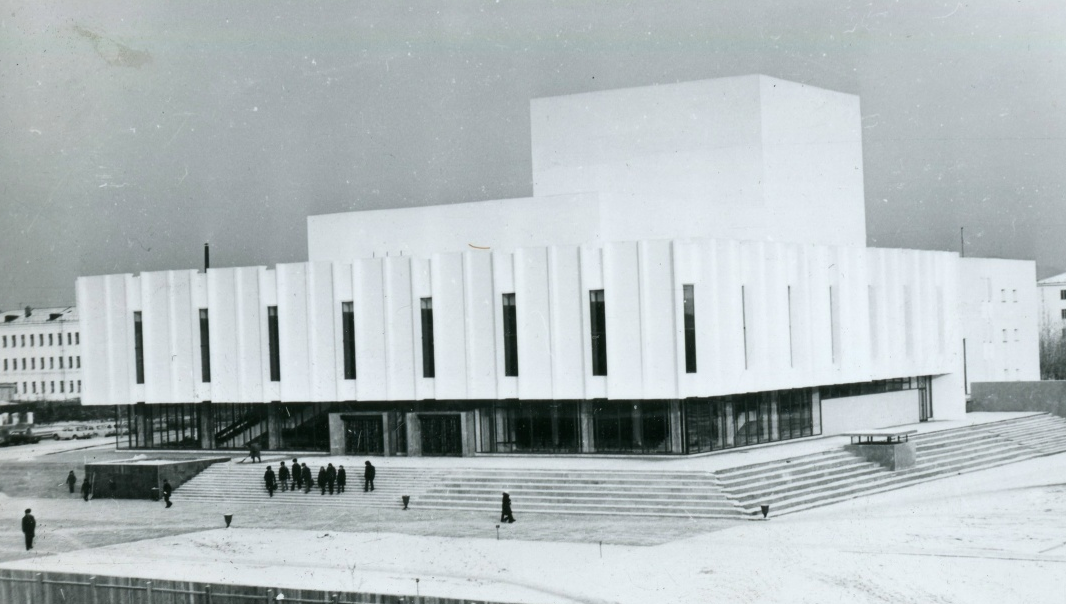
Historic buildingA Soviet modernist theater building with a monumental facade, vertical rhythmic elements and a broad ceremonial stairway.
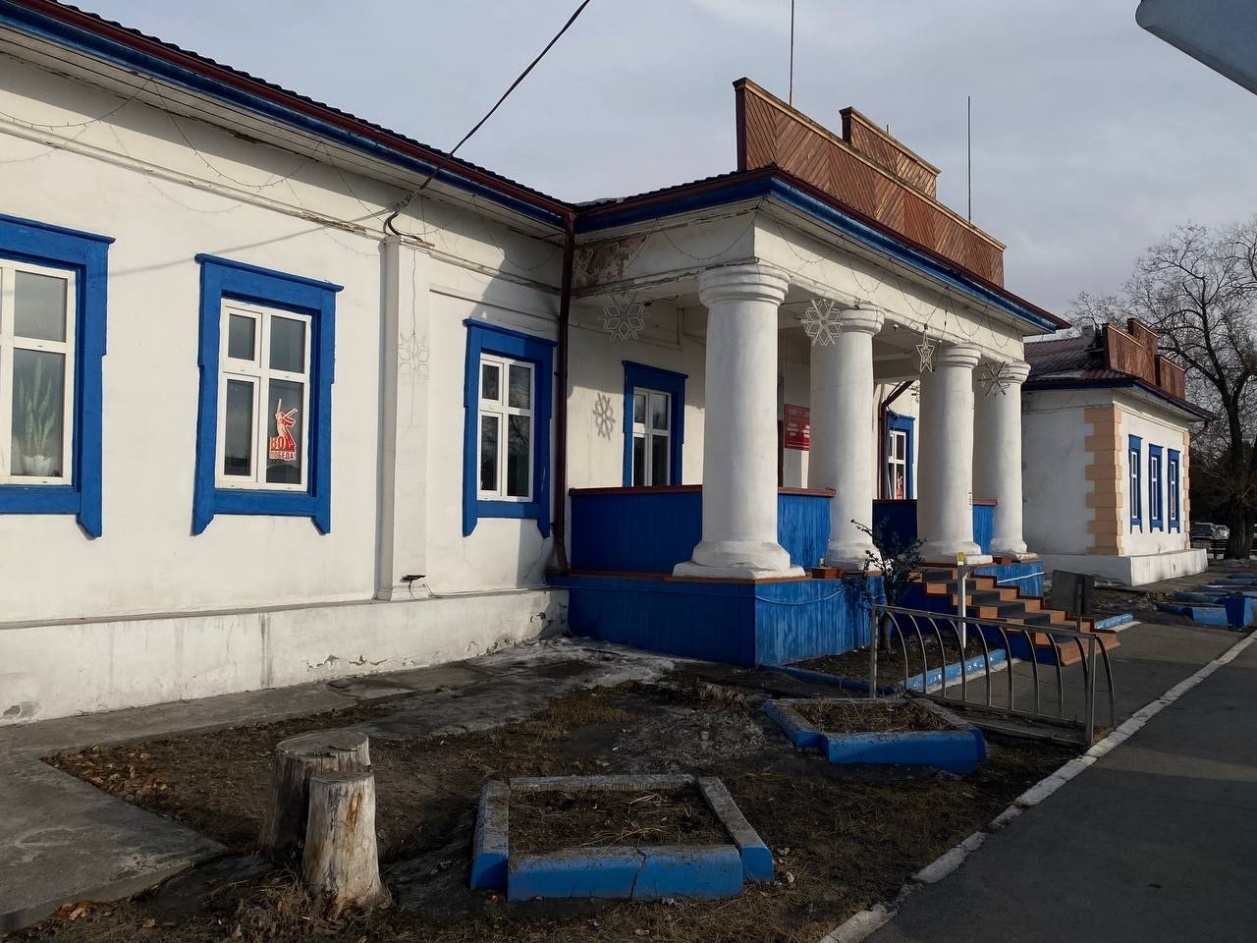
Historic buildingA one-storey white building with blue details and four entrance columns, valued as provincial architecture of the early twentieth century.
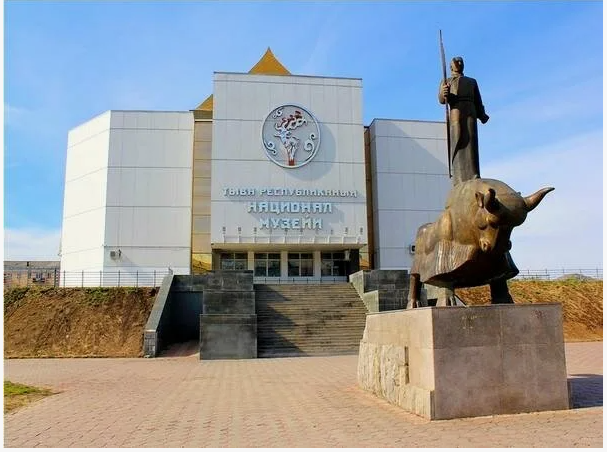
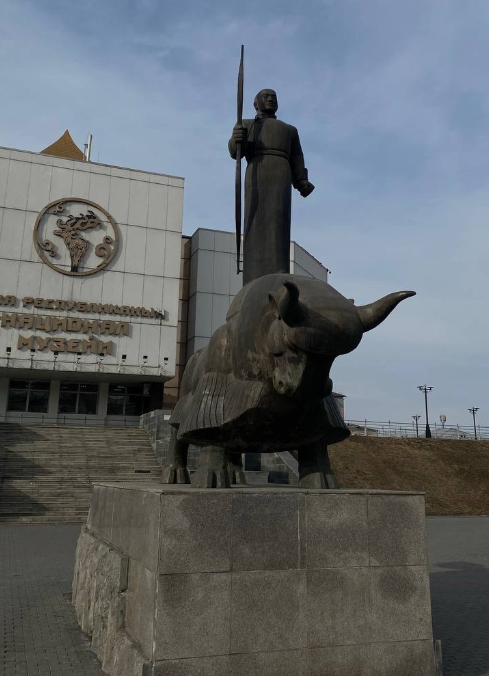
Monument and memorialA sculpture of a spear-bearing warrior standing on a bull’s back, placed in front of the National Museum of the Republic of Tyva.
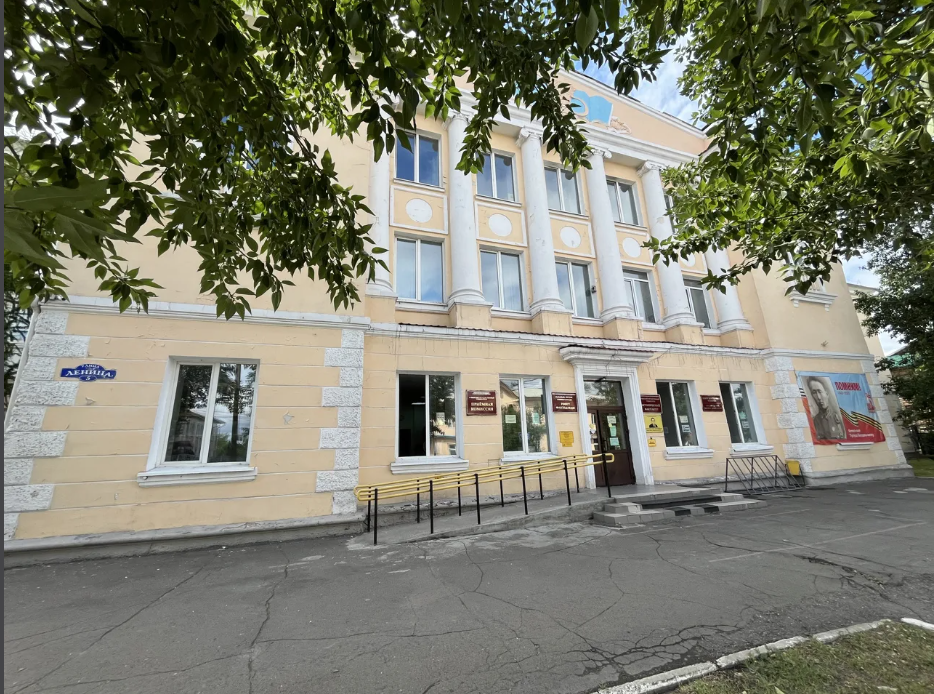
Historic buildingA 1947 Soviet neoclassical building with half-columns, Ionic capitals, arched windows and a formal white portal; it formerly housed an agricultural technical school.
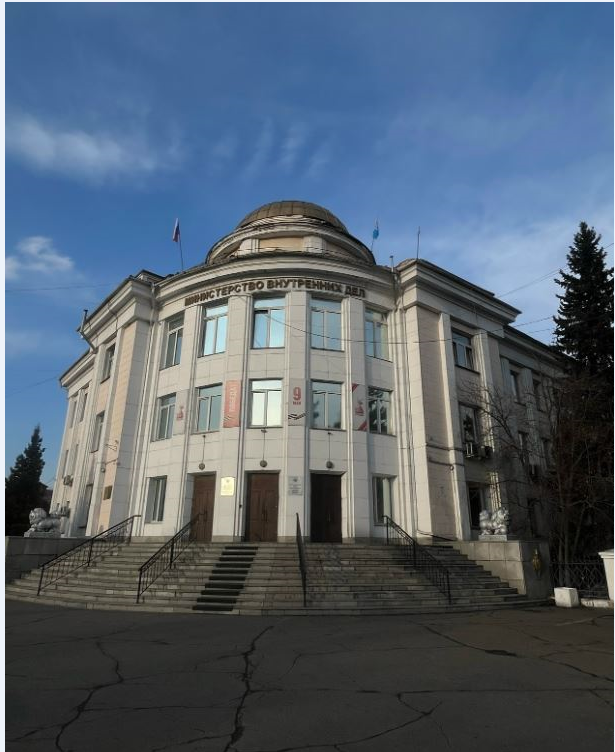
Historic buildingA three-storey 1950 building on Lenin Street with a domed rotunda and massive front stairway, designed in Soviet neoclassical style.
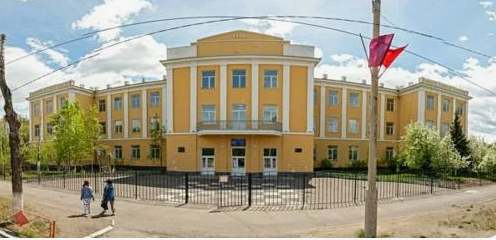
Historic buildingSchool No. 2 on Lenin Street was built in 1940 and gifted by the Soviet Union to the Tuvan People’s Republic; it is a yellow neoclassical building with white decor.
Historic buildingThe Chyrgal-ool College of Arts has operated since 1967 and teaches music, painting, design, choreography and library studies.
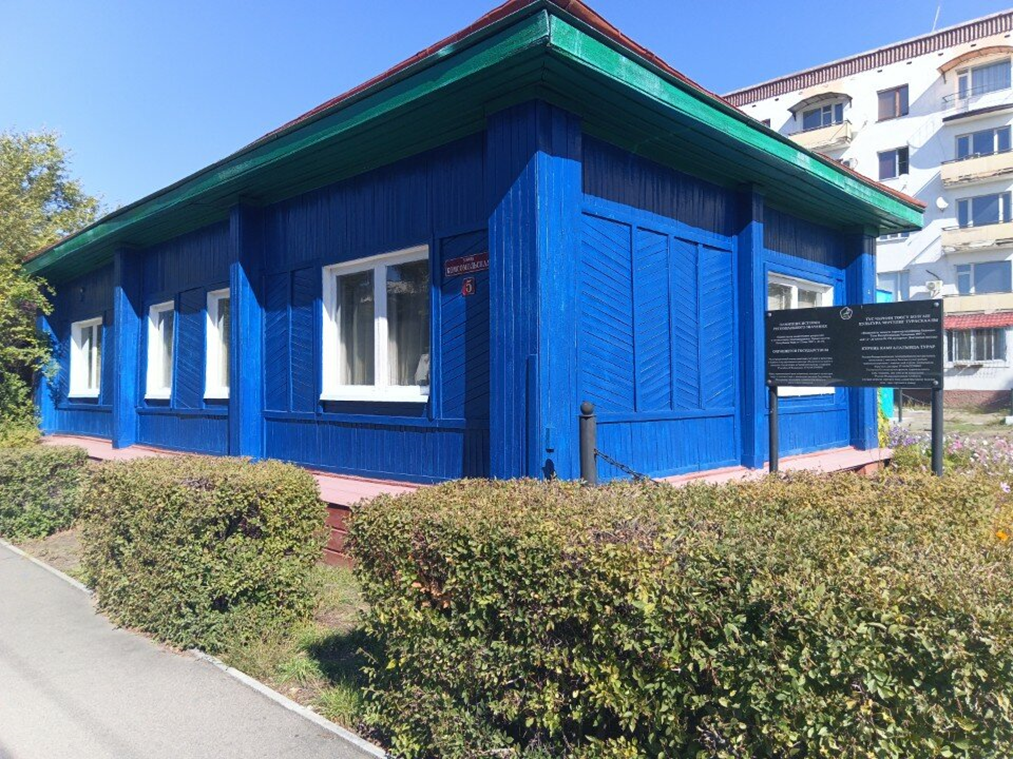
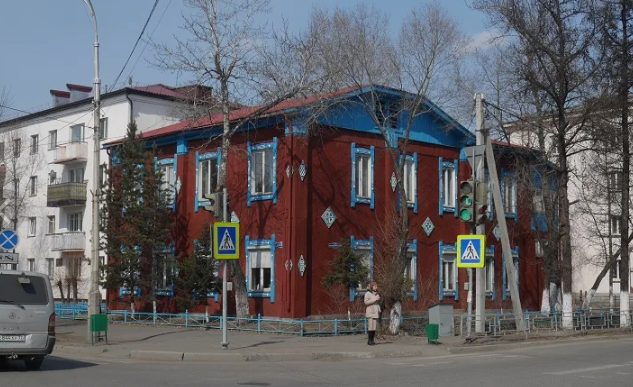
A two-storey wooden corner building that housed the Mongolian embassy to the Tuvan People’s Republic from 1930 to 1944.